
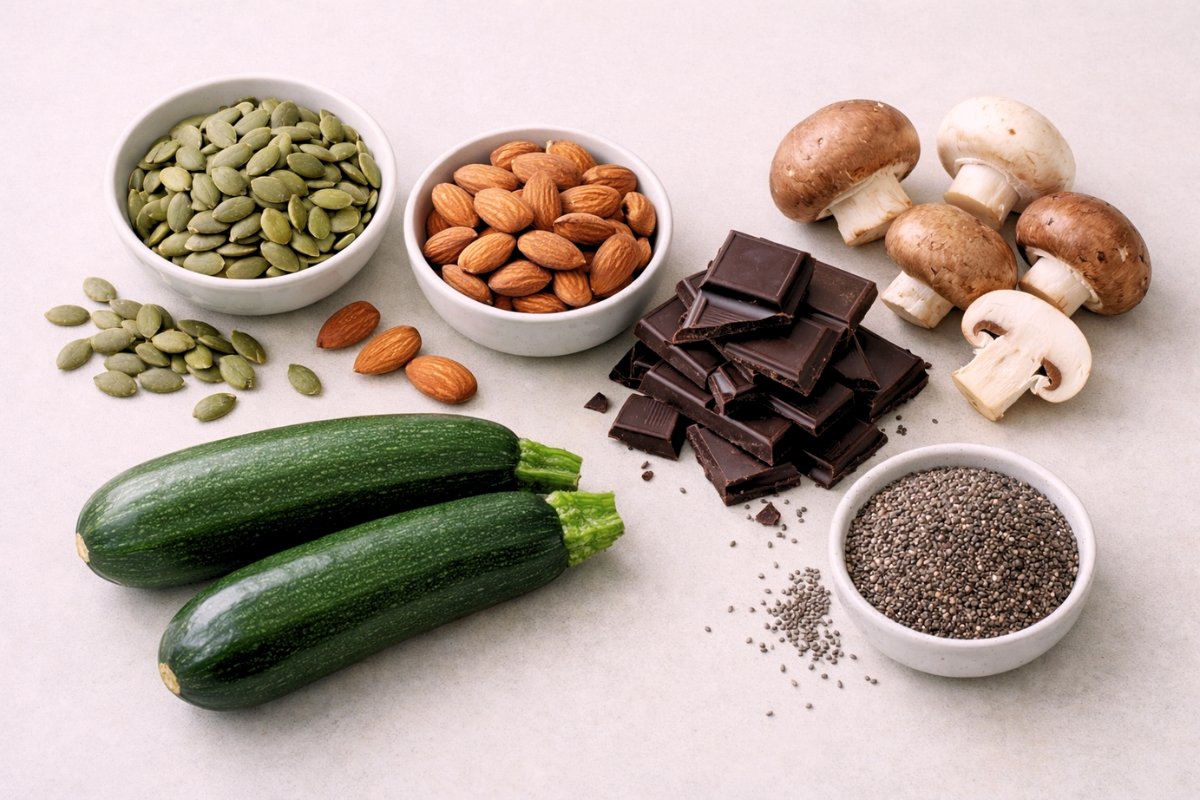
Low-Carb Foods That Support Healthy Blood Pressure
Simple guide to what to eat, what to avoid, and how to build meals that support stable blood pressure
If you’re managing high blood pressure and trying to follow a low-carb diet, you’ve probably noticed how confusing the advice can be.
One source says cut salt. Another warns about too much protein. Your doctor might mention the DASH diet, which is higher in carbs, even though you’ve seen improvements eating low-carb.
So what are you actually supposed to eat to support healthy blood pressure?
I’ve been there. Standing in the grocery store, reading labels, wondering if something will help or make things worse.
The truth is, the right low-carb foods for blood pressure support are not complicated. But they do need a bit of awareness.
In this guide, you’ll see which foods actually support healthy blood pressure on low-carb, and how to keep it simple in real life.
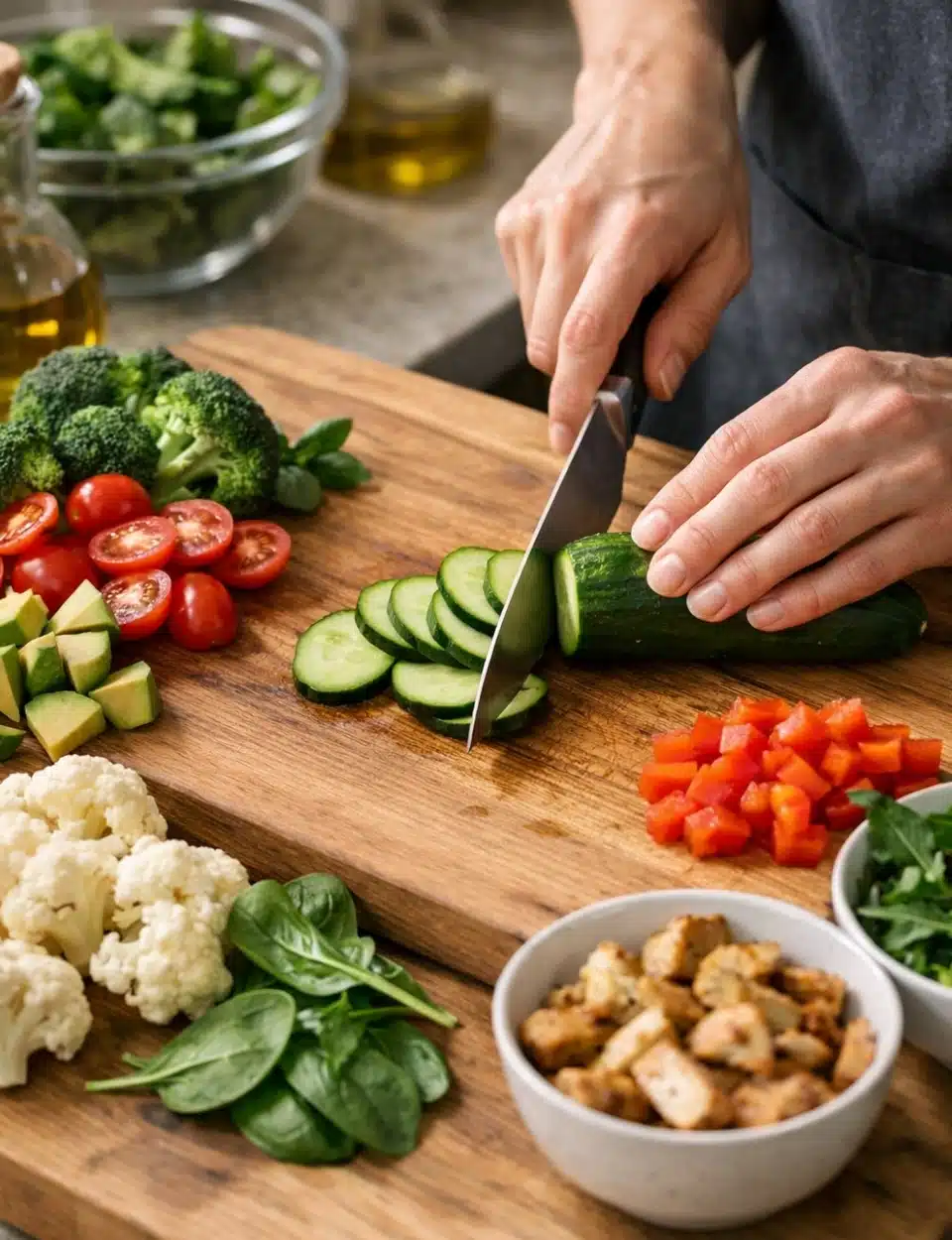
Key Takeaways
Potassium-rich foods like avocados, leafy greens, and salmon help balance sodium and support healthy blood pressure
Magnesium from foods like pumpkin seeds and spinach supports blood vessel relaxation
Omega-3 fats from fatty fish help reduce inflammation
Healthy fats like olive oil and avocados support overall heart health
Healthy fats like olive oil and avocados support overall heart health
Why This Matters on Low-Carb
Blood pressure is not just about salt.
It’s influenced by how your body handles minerals like sodium and potassium, how flexible your blood vessels are, and how stable your blood sugar is.
When you switch to a low-carb diet, blood pressure often improves. This is partly because insulin levels drop and your body releases excess fluid.
But the foods you choose still matter. The right ones can support this process. The wrong ones can slow it down.
Potassium and sodium work together. Most people focus on reducing sodium, but potassium is just as important. It helps your body manage fluid balance and supports healthy blood pressure.
Inflammation also plays a role. When the body is under constant stress, blood vessels can become less flexible. Foods rich in healthy fats and omega-3s help support better balance.
Magnesium is another key piece. It helps blood vessels relax and supports many processes in the body. Many people do not get enough of it, especially when starting low-carb.
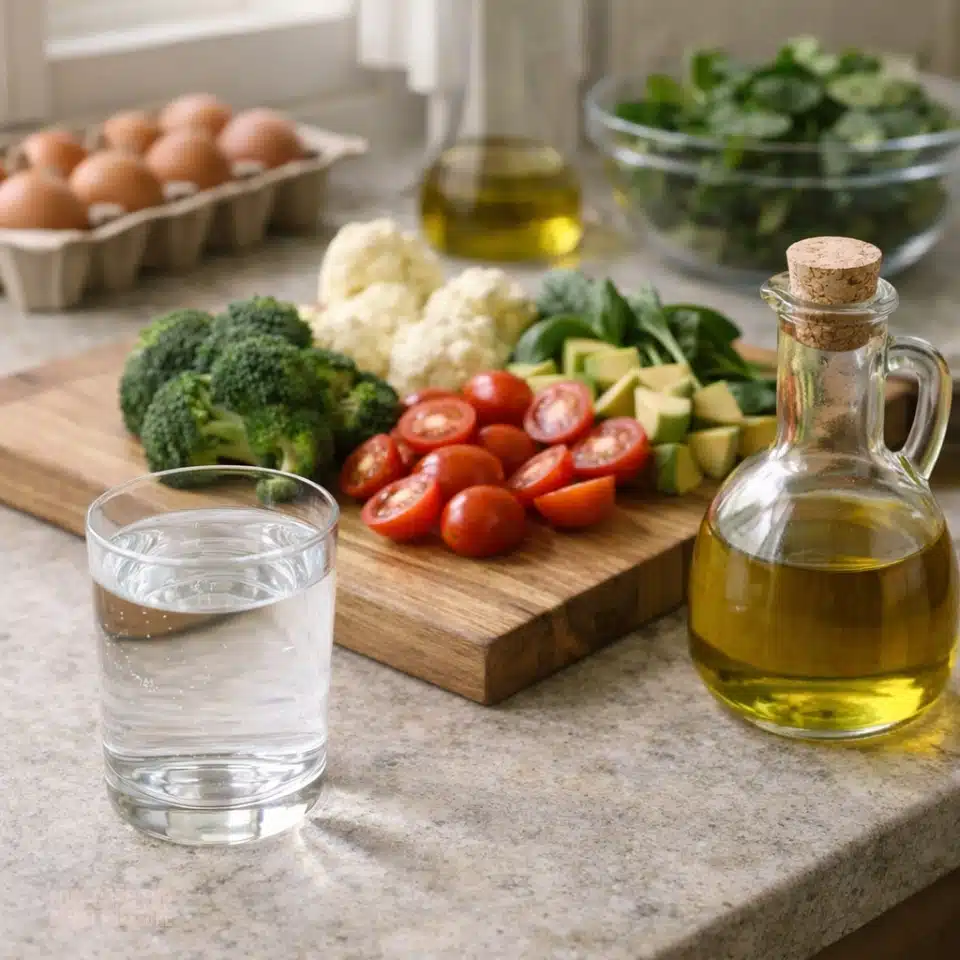
The Best Low-Carb Foods for Blood Pressure Support
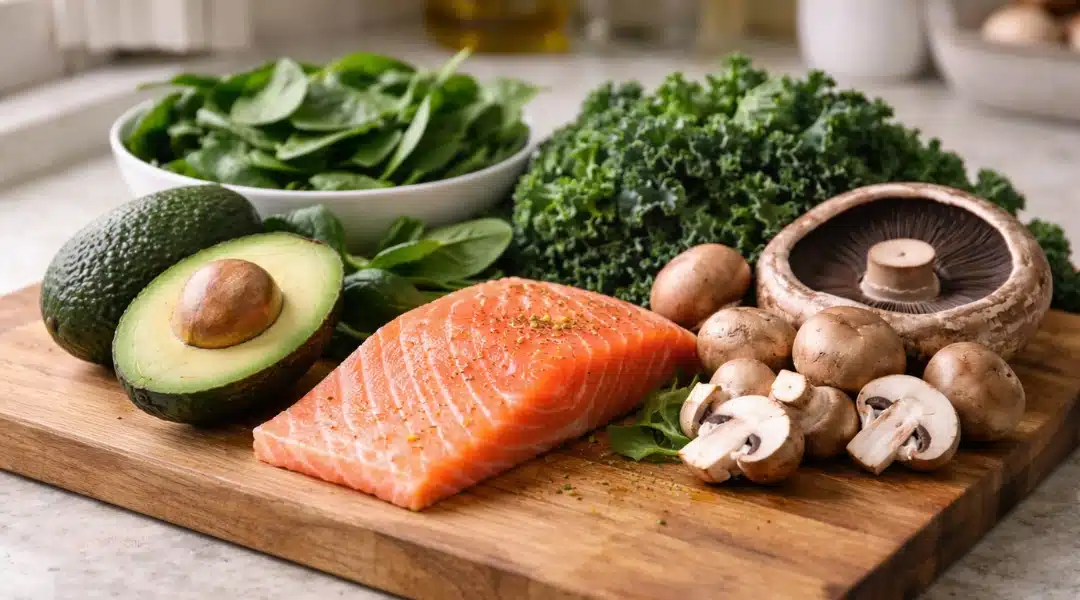
Potassium-Rich Low-Carb Foods
Avocados
One medium avocado provides around 700 mg of potassium with only about 3 g net carbs. You can slice it onto salads or eat it on its own with a bit of salt.
Leafy greens
Spinach, Swiss chard, and kale are rich in potassium and very low in carbs. A cup of cooked spinach provides a high amount of potassium.
Salmon and fatty fish
A serving of salmon provides potassium along with omega-3 fats. You can bake, grill, or pan-cook it with simple seasoning.
Mushrooms
Varieties like portobello and cremini contain potassium and add a satisfying texture to meals.
Magnesium Sources for Blood Vessel Relaxation
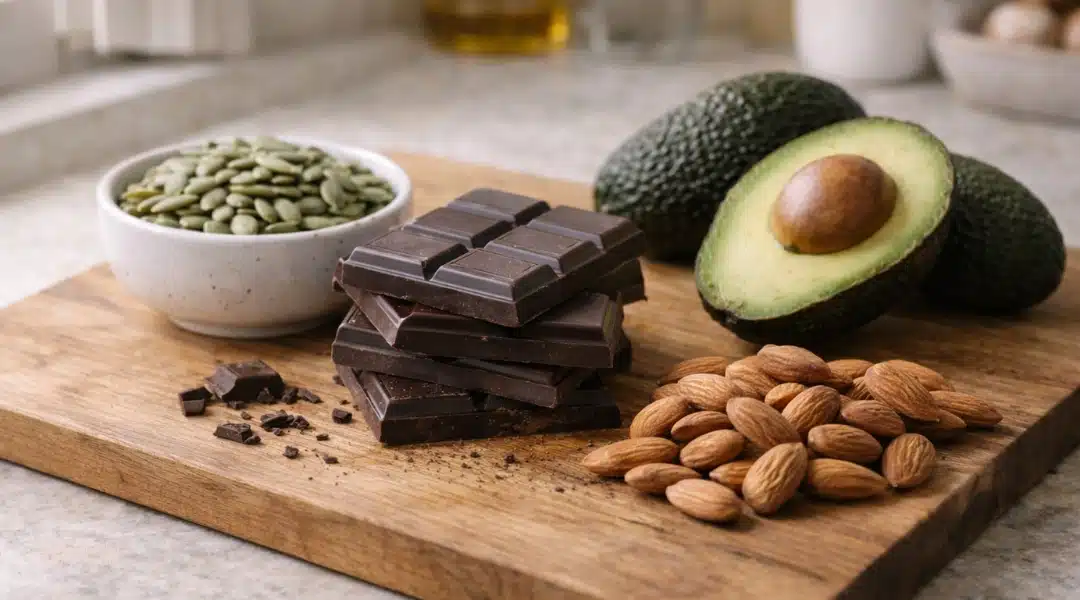
Pumpkin seeds
One ounce provides a good amount of magnesium. Easy to add to salads or eat as a snack.
Dark chocolate (85% or higher)
A small piece provides magnesium along with antioxidants. Keep portions small.
Almonds
Provide magnesium and are easy to include as a snack or in meals.
Avocado
Also contains magnesium, making it useful for both potassium and magnesium intake.
Omega-3 Rich Foods
Fatty fish
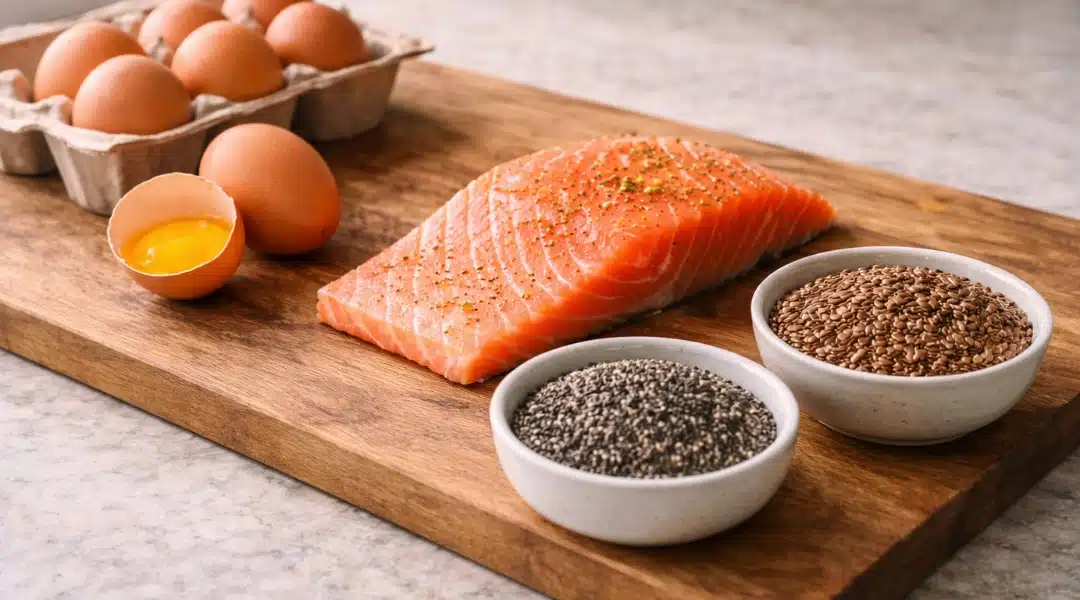
Salmon, sardines, mackerel, and anchovies are good sources. Aim to include them regularly.
Eggs
Egg yolks contain beneficial fats and are easy to use in simple meals.
Chia seeds and flax seeds
Plant-based sources of omega-3 fats. Can be added to yogurt or simple dishes.
Healthy Fats
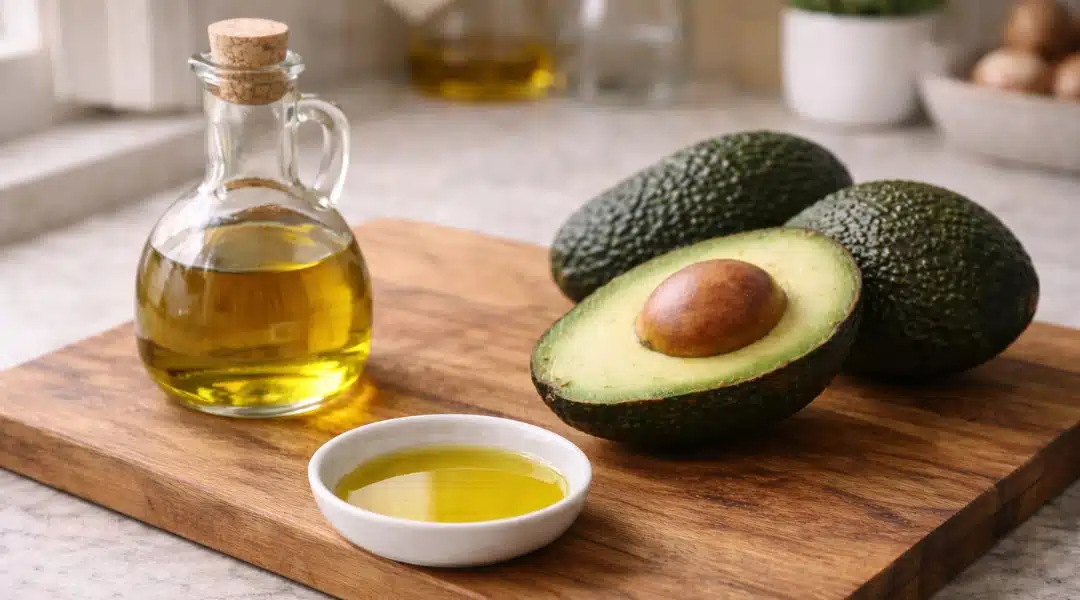
Extra virgin olive oil
Supports overall health and is easy to use in everyday cooking or salads.
Avocado oil
Good for higher-heat cooking and provides stable fats that support overall balance.
Best Low-Carb Vegetables to Support Healthy Blood Pressure
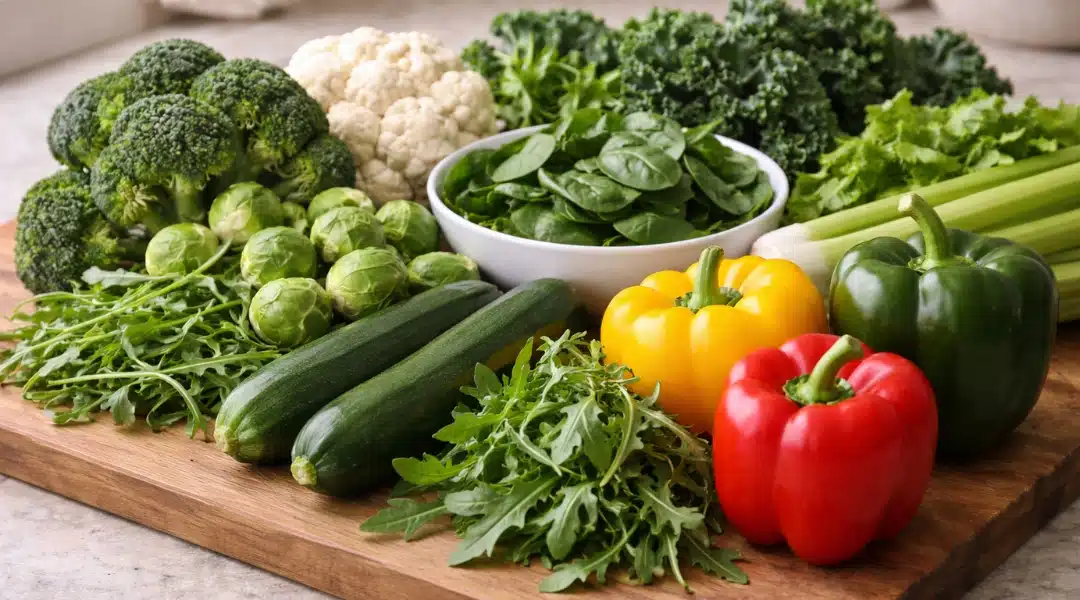
Some of the most helpful low-carb vegetables include:
- cruciferous vegetables like broccoli, cauliflower, and Brussels sprouts
- leafy greens such as spinach, kale, and arugula, which provide potassium and magnesium
- celery, which may help support blood vessel relaxation
bell peppers, which provide vitamin C and antioxidants - zucchini, which is versatile and easy to use in simple meals
Foods to Minimize
Highly processed vegetable oils such as soybean, corn, and canola oil
Processed meats, which are often high in sodium and preservatives
Processed meats, which are often high in sodium and preservatives

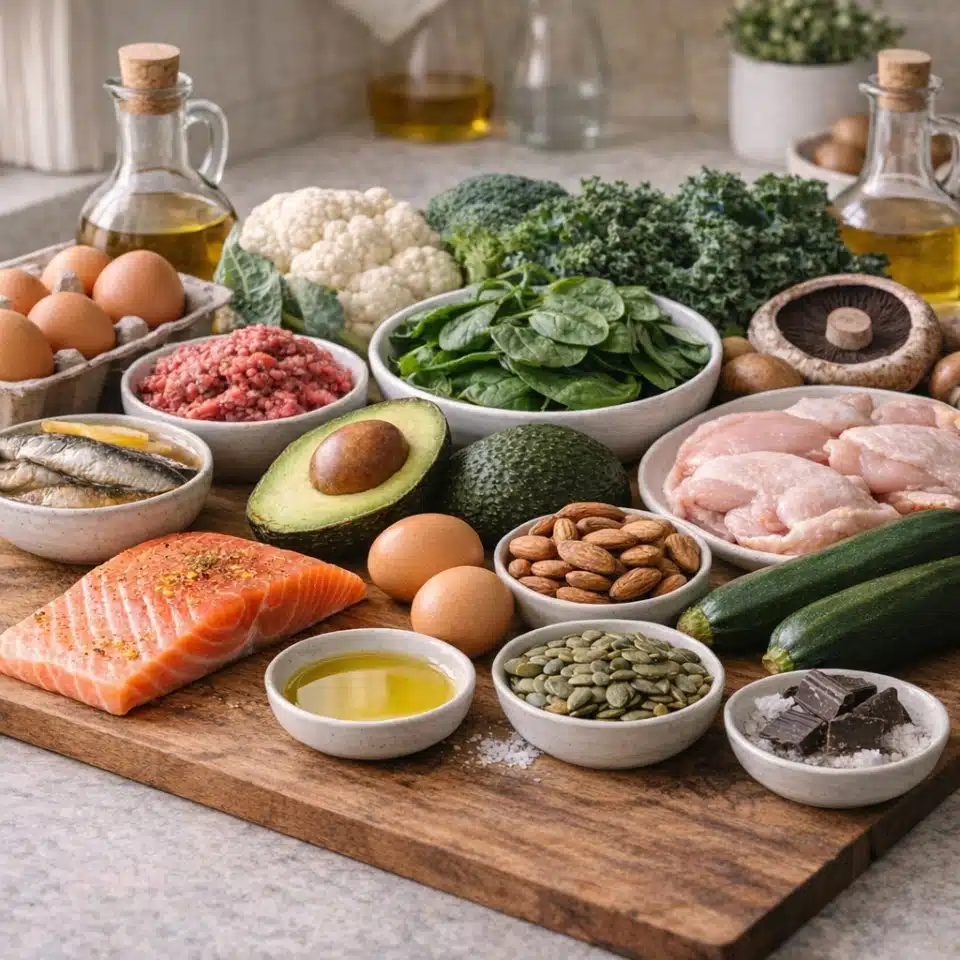
Your Low-Carb Blood Pressure Grocery List
Proteins
Wild-caught salmon, sardines, eggs, grass-fed ground beef, chicken thighs
Vegetables
Spinach, avocados, broccoli, cauliflower, mixed greens, mushrooms, zucchini
Healthy fats
Extra virgin olive oil, avocado oil, almonds, pumpkin seeds
Pantry basics
Sea salt, dark chocolate (85% or higher), apple cider vinegar
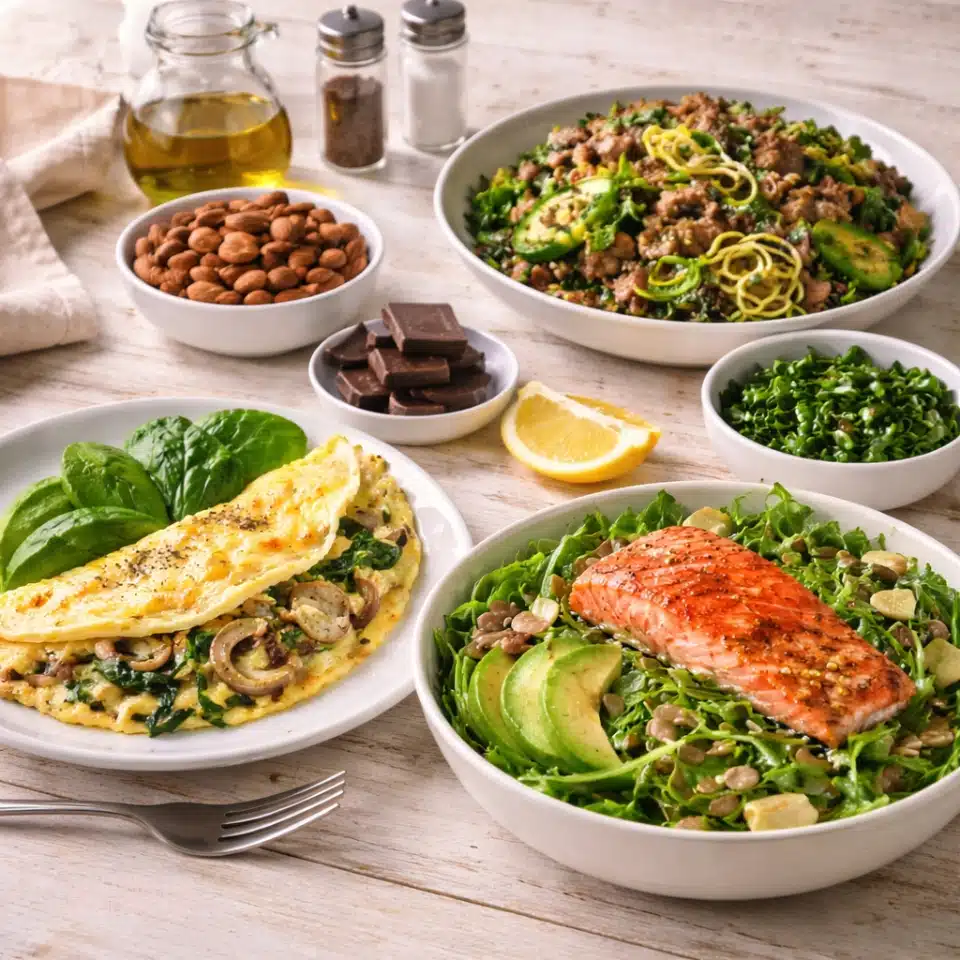
A Simple Day of Eating
Breakfast
Three-egg omelet with spinach and mushrooms cooked in olive oil. Sliced avocado on the side.
Lunch
Large salad with mixed greens, grilled salmon, pumpkin seeds, and olive oil-lemon dressing - see recipe here.
Snack
A small handful of almonds and a piece of dark chocolate.
Dinner
Beef stir-fry with broccoli and zucchini noodles, cooked in avocado oil with garlic. Side of sautéed Swiss chard.
How to Start (Simple Steps)
When I first started paying attention to food quality and mineral balance on a low-carb diet, I noticed a difference quite quickly. Not just in my blood pressure, but also in my energy and sleep.
When your body gets the nutrients it needs, things start to feel more stable.
Pick three foods from this list that feel doable and add them this week. Then build from there.
If you want something simple, you can refer to the day-to-day and download the Low-Carb Blood Pressure Cheat Sheet.
It brings together foods, electrolytes, and daily habits in one easy page.
If you want to understand how electrolyte balance fits into low-carb, that’s covered in the electrolytes guide, where you’ll see why it matters and how to keep things steady to support healthy blood pressure.
You don’t need to do everything at once. Start simple, stay consistent, and build from there.
Question not answered?
What are the best low-carb foods for blood pressure?
Foods rich in potassium, magnesium, and healthy fats tend to support healthy blood pressure. Examples include leafy greens, avocados, salmon, and nuts.
Can a low-carb diet help lower blood pressure?
Many people see improvements because insulin levels drop and the body releases excess fluid. Food quality still matters for long-term results.
Do I need to reduce salt on a low-carb diet?
Not always. Low-carb can increase sodium loss, so balance with potassium and magnesium is important rather than simply cutting salt.
What foods should I avoid on low-carb for blood pressure?
Highly processed meats, packaged low-carb products, and refined vegetable oils can work against your progress.
How do potassium and magnesium help blood pressure?
They support fluid balance and help blood vessels relax. Getting enough from food can make a noticeable difference.
What is a simple low-carb meal for blood pressure support?
A basic plate of protein, leafy greens, and healthy fats works well. For example, salmon with spinach and olive oil.
How quickly can diet affect blood pressure?
Some people notice changes within days due to fluid shifts. More stable improvements usually come with consistent eating over time.
Get The Blood Pressure Support Cheat Sheet
Simple low-carb foods and habits for everyday support
Download a clear, practical guide to help you choose the right foods, support metabolic balance, and build habits that fit your daily life.

© 2026 Low Carb For Blood Pressure. All rights reserved.