

Articles
Can You Do Keto with High Blood Pressure Safely
Many people wonder: can you do keto with high blood pressure safely, or could it potentially make things worse?
The answer is not always simple. Some people notice improvements in their blood pressure, energy, and eating habits after reducing their carbohydrate intake, while others may initially experience dizziness, fatigue, headaches, or other uncomfortable symptoms during the transition.
Part of the confusion comes from the fact that “keto” can mean very different things. Extremely restrictive or heavily processed keto approaches are not always appropriate, especially for people already managing blood pressure concerns or taking medication.
In many cases, a slower and more practical low-carb approach may feel far more sustainable. Paying attention to hydration, electrolyte balance, and whole foods often matters just as much as reducing carbohydrates themselves.
If you are new to this topic, it may also help to read our guides on How Low-Carb Affects Blood Pressure and Electrolytes on Low-Carb: What You Need to Know before making major dietary changes.
Why People with High Blood Pressure Consider Keto
Many people with high blood pressure start looking into keto or lower-carb eating because they want a more practical way to support their overall health alongside medical care. For some, the focus is weight loss. For others, it is reducing processed foods, improving energy, or feeling more in control of their eating habits.
Weight Loss and Blood Pressure Are Often Connected
Excess body weight can place additional strain on the cardiovascular system. Some people also experience insulin resistance and fluid retention, which may contribute to higher blood pressure over time.
Lower-carb eating patterns sometimes help people simplify meals and reduce overeating, particularly when meals include more protein, healthy fats, and fiber-rich vegetables.
Lower-Carb Eating May Reduce Processed Foods
One reason some people feel better on keto or lower-carb eating is because they naturally begin reducing heavily processed foods.
This may include eating:
- fewer sugary foods
- fewer refined carbohydrates
- fewer packaged snack foods
At the same time, many people start eating more:
- leafy greens
- protein-rich meals
- whole-food ingredients
- healthy fats like olive oil or avocado
For some people, these changes alone can make everyday eating feel more balanced and manageable.
Some People Notice Blood Pressure Changes Quickly
One important thing to understand is that blood pressure can sometimes change fairly quickly after reducing carbohydrates.
This can happen because low-carb eating often causes:
- early water loss
- sodium shifts
- changes in fluid balance
Some people feel completely fine during this adjustment period. Others may notice:
- dizziness
- headaches
- weakness
- fatigue
This is one reason gradual changes often feel more sustainable than aggressive restriction.
Blood Pressure Medication Considerations
People taking blood pressure medication should be especially careful when making significant dietary changes.
As eating habits change, blood pressure readings may also change. In some cases, medications may eventually need adjustment under medical supervision, particularly diuretics and other blood pressure medications that affect fluid balance.
Monitoring symptoms and checking blood pressure regularly during the transition can be helpful, especially in the early stages.
For more information, reputable resources include the Cleveland Clinic and Diet Doctor.
Can Keto Help Lower Blood Pressure?
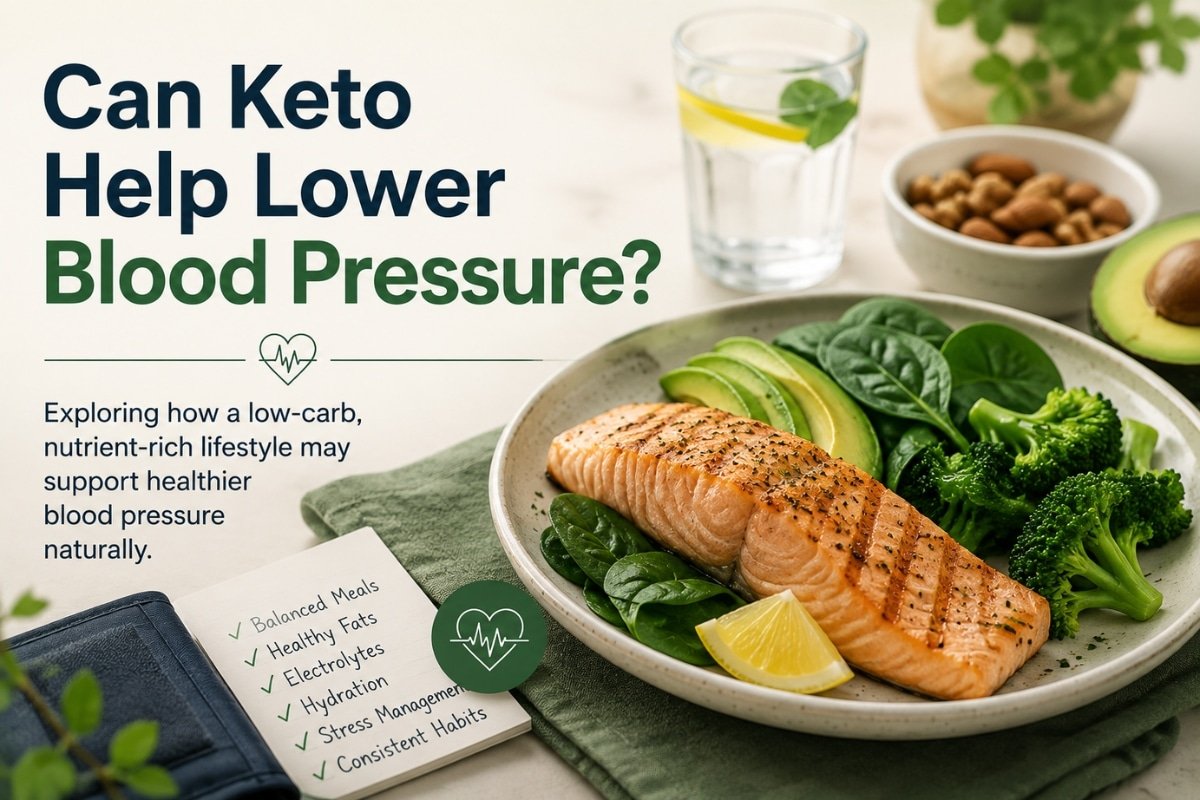
Some people do notice improvements in their blood pressure after switching to keto or a lower-carb eating pattern. However, results can vary significantly from person to person, and keto should not be viewed as a guaranteed solution or replacement for medical care.
In many cases, the improvements may be linked to broader lifestyle changes rather than ketosis alone.
Possible contributing factors may include:
- weight loss
- eating fewer processed foods
- reducing added sugars
- improved meal consistency
- lower intake of highly refined carbohydrates
At the same time, hydration and electrolyte balance can play a major role in how people feel during the transition.
Low-carb eating can change how the body handles fluids and minerals, particularly in the early stages. This is why paying attention to:
- hydration
- sodium balance
- potassium
- magnesium
can be extremely important.
When these factors are ignored, some people may feel worse rather than better, especially if blood pressure drops too quickly or electrolyte levels become unbalanced.
If you are noticing symptoms like dizziness, weakness, muscle cramps, or fatigue, it may help to read our guide on Signs You Need More Sodium, Potassium, or Magnesium.
Not All Keto Approaches Are the Same
One reason keto can feel confusing is because people use the word “keto” to describe very different styles of eating.
Some approaches are extremely restrictive and focus heavily on tracking carbohydrates, while others are simply lower in carbohydrates and based around more whole foods and balanced meals.
For people managing high blood pressure, sustainability and food quality often matter just as much as carbohydrate reduction itself.
A more practical approach may include:
- protein-rich meals
- leafy green vegetables
- healthy fats like olive oil or avocado
- fewer processed foods
- better meal consistency
At the same time, not all “keto foods” automatically support blood pressure goals.
Some packaged keto products may still be:
- highly processed
- high in sodium
- low in nutrients
- difficult to sustain long-term
This is one reason many people do better with a calmer, more moderate low-carb approach than with aggressive restriction.
In reality, aggressive carb-cutting is not always necessary to start making healthier food choices. For many people, gradually reducing highly processed foods and refined carbohydrates can already be a meaningful step forward.
The goal does not need to be “perfect keto.” In many cases, a sustainable eating pattern that feels realistic in everyday life is far more important in the long term.
When Keto May Feel Unsafe at First
Some people transition into keto without major problems, while others may initially feel unwell as the body adjusts to changes in fluid balance, electrolytes, and carbohydrate intake.
Rapid Fluid Loss
One reason keto can feel difficult at first is rapid fluid loss.
When carbohydrate intake drops, the body often releases stored water more quickly. Along with that water loss, electrolyte levels can also shift, especially during the early stages.
Some people may notice symptoms such as:
- dizziness
- weakness
- headaches
- fatigue
This is one reason aggressive carbohydrate restriction may feel overwhelming for some people, particularly if they already have blood pressure concerns or take medication.
Electrolyte Imbalance Symptoms
In some cases, people may experience electrolyte imbalance symptoms during the transition to keto or lower-carb eating.
This can happen when hydration, sodium, potassium, or magnesium intake becomes unbalanced.
Possible symptoms may include:
- muscle cramps
- lightheadedness
- irregular heartbeat sensations
- fatigue
These symptoms do not necessarily mean keto is unsafe, but they may signal that the body is struggling to adapt too quickly. Paying attention to hydration and electrolyte balance often becomes especially important during this stage.
Who Should Be More Careful with Keto
- people taking blood pressure medication
- kidney disease
- diabetes
- older adults
- people recovering from serious illness
- breast cancer survivors managing fatigue or appetite changes
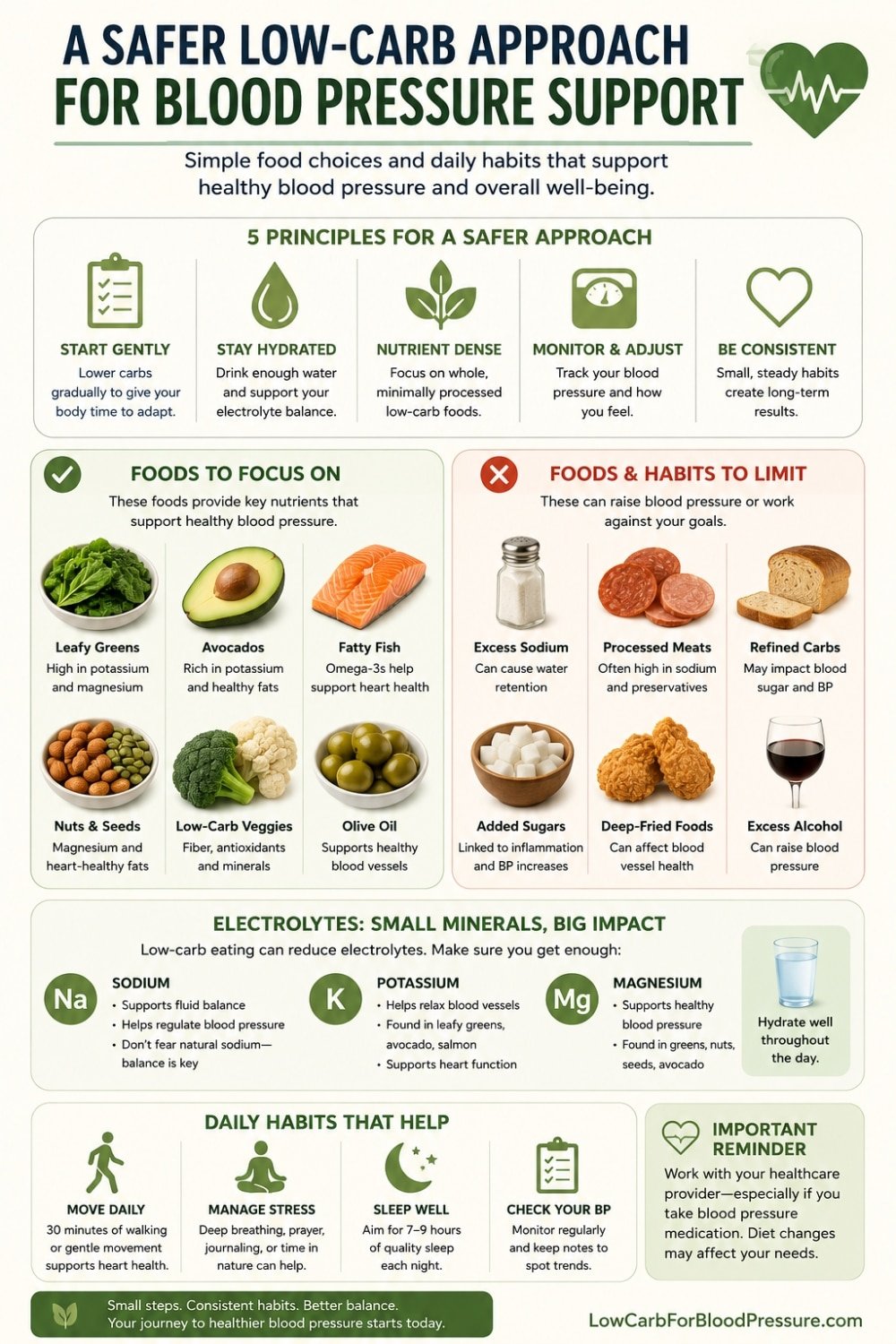
A Safer Low-Carb Approach for Blood Pressure Support
For many people, a slower and more balanced approach to keto or lower-carb eating feels far more sustainable than trying to change everything overnight. Small, consistent adjustments are often easier on both the body and the daily routine.
Start Gradually
Many people do better by reducing processed carbohydrates first, rather than jumping straight into aggressive restriction.
This may include eating:
- fewer sugary foods
- fewer refined snacks
- fewer ultra-processed meals
A gradual approach can sometimes feel easier to maintain and may reduce the likelihood of unpleasant adjustment symptoms.
Prioritize Whole Foods
Food quality still matters on keto or lower-carb eating patterns.
Building meals around whole foods may help create a more balanced approach, including:
- protein-rich foods
- leafy greens
- healthy fats
- mineral-rich foods
This may also help support hydration, energy, and overall meal consistency.
Monitor Your Blood Pressure Regularly
If you are making significant dietary changes, regular blood pressure monitoring can be helpful.
Pay attention to:
- trends over time
- unusually low readings
- dizziness
- weakness
- changes in how you feel overall
This can be especially important for people taking blood pressure medication.
Do Not Ignore Hydration
Hydration can become especially important when reducing carbohydrates.
Fluids matter, but so does electrolyte balance. Paying attention to sodium and potassium intake may help some people feel more stable during the transition.
If you are struggling with symptoms during low-carb adaptation, it may help to read:
The baked avocado fries are a good example of keto that does not feel extreme.
Signs You Should Speak With a Doctor
While some adjustment symptoms can be temporary, certain symptoms should not be ignored, especially for people with high blood pressure or those taking medication.
It is important to speak with a doctor if you experience:
- persistent dizziness
- fainting
- chest pain
- severe weakness
- confusion
- unusually low blood pressure readings
- medication side effects or concerns
This can be especially important during major dietary changes, when fluid balance and blood pressure levels may shift more quickly than expected.
Keto Does Not Need to Be Extreme
One of the biggest misconceptions about keto is that it has to be strict, aggressive, or difficult to maintain forever.
In reality, there is a big difference between extreme keto approaches and a more practical lower-carb lifestyle built around real food and sustainable habits.
Some people try to cut carbohydrates too quickly, rely heavily on processed “keto” products, or aim for perfection from the very beginning. For many people, this can feel overwhelming and difficult to maintain long term.
A calmer and more balanced approach may include:
- more vegetables
- fewer processed foods
- better meal consistency
- more home-cooked meals
- gradual changes over time
For people managing high blood pressure, sustainability often matters more than strict rules or the pursuit of perfect keto numbers.
Consistent daily habits, balanced meals, hydration, and realistic routines may ultimately feel more supportive than extreme restriction.
You do not need to do keto perfectly to start making healthier changes.
Final Thoughts
Keto or lower-carb eating does not have to look the same for everyone, especially when high blood pressure, medication, or other health concerns are part of the picture.
For many people, a slower, more practical approach is easier to maintain in the long term. Small and consistent changes often matter more than trying to follow extreme rules perfectly from day one.
Paying attention to hydration, electrolyte balance, blood pressure readings, and overall energy levels can help make the transition feel safer and more manageable.
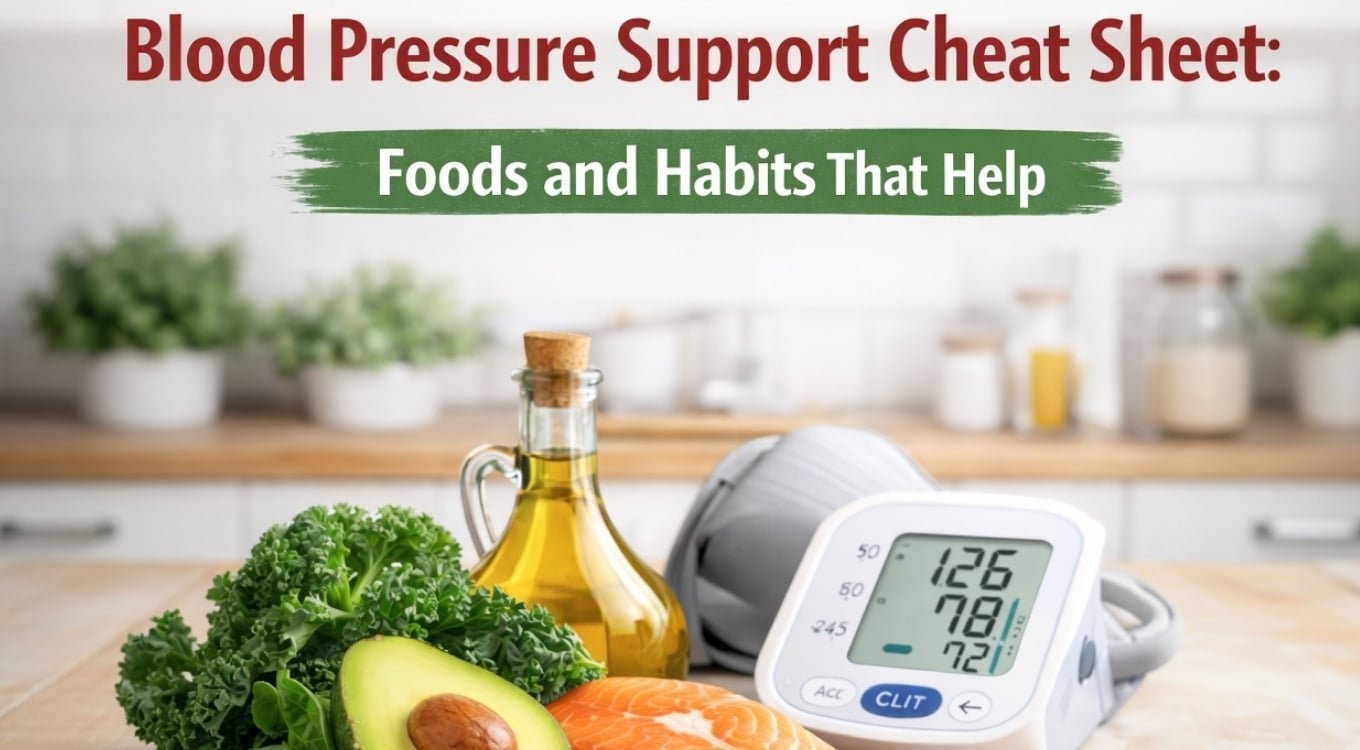
If you want additional support, try the free 60-second blood pressure check. It walks you through:
- simple low-carb foods
- electrolyte reminders
- beginner-friendly daily habits
You finish with a short plan of your own, and the Blood Pressure Support Cheat Sheet comes with it.
You do not need to do keto perfectly or aggressively to make meaningful dietary changes.
Can You Do Keto with High Blood Pressure? Common Questions
Can keto raise blood pressure?
Sometimes temporarily, especially during dehydration, stress, poor electrolyte balance, or medication interactions.
Is keto safe if you take blood pressure medication?
It can require closer monitoring because blood pressure may change as eating habits change.
What foods support blood pressure on keto?
Leafy greens, avocado, salmon, olive oil, eggs, low-carb vegetables, and mineral-rich whole foods.
Should you stop salt completely on keto?
Not necessarily. Very low-carb eating changes fluid balance, so sodium needs can vary between individuals.
Is a moderate low-carb diet safer than strict keto?
For many people, a moderate and sustainable approach may feel easier and more practical in the long term.