

Articles
How to Start Low-Carb for High Blood Pressure Without Feeling Overwhelmed
Many people are interested in using a low-carb approach to support healthier blood pressure, but knowing where to start can feel overwhelming.
According to the American Heart Association, healthy eating patterns and lifestyle changes can play an important role in supporting healthy blood pressure levels.
One article says to cut all carbohydrates immediately. Another recommends strict keto. Others focus on counting every gram of food you eat. For someone just getting started, the amount of information can feel confusing and exhausting.
The good news is that you do not need to change everything overnight.
In most cases, a simple and gradual approach is easier to follow than an extreme one. Small changes can help you build confidence, develop new habits, and create a way of eating that feels realistic for everyday life.
If you are wondering how to start low-carb for high blood pressure without feeling overwhelmed, the steps below can help you make practical changes one at a time.
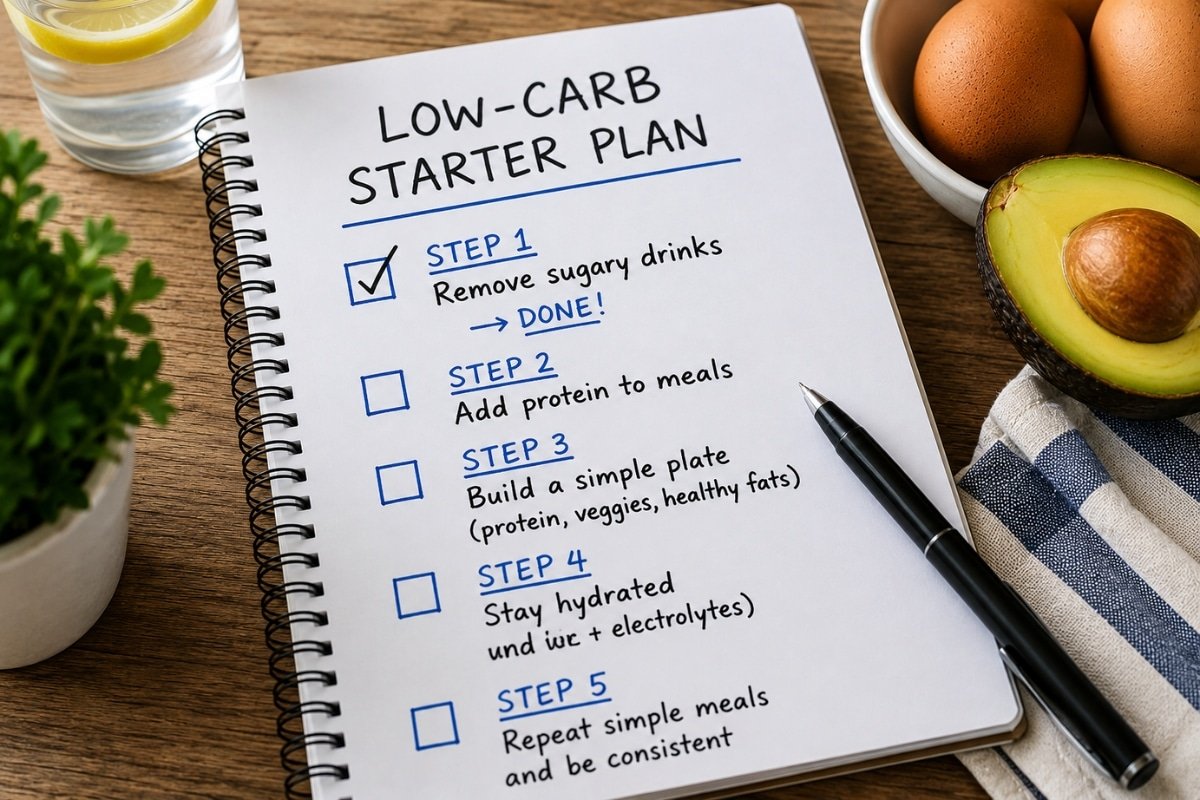
A Simple Way to Start Low-Carb for High Blood Pressure
There is no single definition of low-carb. Some people follow very low-carb ketogenic diets, while others simply reduce sugar, refined grains, and processed foods.
For many beginners, focusing on fewer refined carbohydrates and more whole foods is often an easier place to start. This gradual approach can feel more practical and sustainable than trying to follow a strict eating plan from day one.
Other evidence-based eating approaches, such as the DASH eating plan, are also commonly recommended for supporting healthy blood pressure.
Why Many People Feel Overwhelmed by Low-Carb
Conflicting Advice Everywhere
One source recommends strict keto. Another suggests moderate low-carb. Some focus on calories while others focus only on carbohydrates. It can be difficult to know which advice actually applies to your situation.
Fear of Eating the Wrong Foods
Many beginners worry about making mistakes. They wonder whether certain fruits, vegetables, dairy products, or snacks are “allowed,” which can create unnecessary stress around everyday meals.
Trying to Follow Strict Keto from Day One
Some people believe they must dramatically change everything overnight. This can make low-carb feel restrictive and difficult to maintain, especially when simple, gradual changes may be enough to get started.
Information Overload
Meal plans, macros, recipes, apps, supplements, and food lists can quickly become overwhelming. When there is too much information, taking action often becomes harder instead of easier.
The reality is that most people do not need a perfect low-carb diet to begin making progress. Starting with a few simple changes is often far more practical than trying to master everything at once.
Step 1: Start with One Simple Change
One of the biggest mistakes people make when starting low-carb is trying to change their entire diet overnight.
A more practical approach is to focus on just one change at a time. This allows you to build confidence without feeling like you have to learn a completely new way of eating all at once.
For many people, the easiest place to start is by reducing one major source of added sugar or refined carbohydrates.
Examples include:
- soft drinks and sugary beverages
- fruit juice
- sweet biscuits and cakes
- lollies and confectionery
- white bread
- sugary breakfast cereals
You do not need to remove everything immediately.
For example, if you drink soft drinks every day, replacing them with water, sparkling water, or unsweetened tea may be a good first step. If white bread is a regular part of your meals, you might start by reducing the amount you eat rather than eliminating it completely.
Small changes may not feel dramatic, but they are often easier to maintain. Consistency is usually more important than perfection when building long-term low-carb habits.
Step 2: Focus on What to Add, Not Just What to Remove
Many people start low-carb by concentrating on all the foods they think they need to avoid.
A simpler approach is to focus first on adding more foods that make meals satisfying, nutritious, and easier to maintain.
Prioritise Protein
Protein can help you feel fuller for longer and may make it easier to avoid unnecessary snacking.
Simple options include:
- eggs
- chicken
- fish
- lean beef
- Greek yogurt
- cottage cheese
Try including a source of protein with each meal whenever possible.
Fill Your Plate with Non-Starchy Vegetables
Vegetables provide fiber, nutrients, and variety without adding large amounts of carbohydrates.
Examples include:
- leafy greens
- broccoli
- cauliflower
- zucchini
- cucumber
- capsicum
There is no need to make meals complicated. Even adding an extra serving of vegetables to lunch or dinner can be a good start.
Include Healthy Fats
Healthy fats can add flavor and help meals feel more satisfying.
Examples include:
- avocado
- olive oil
- olives
- nuts
- seeds
Rather than focusing on strict rules, think about building simple meals that include protein, vegetables, and healthy fats. This often feels much more manageable than trying to calculate every gram of carbohydrate from the beginning.
Step 3: Build a Simple Low-Carb Plate
Once you start focusing on whole foods, it becomes much easier to put meals together without overthinking every ingredient.
A simple low-carb plate does not need to be complicated. In most cases, you can build a balanced meal using three basic components:
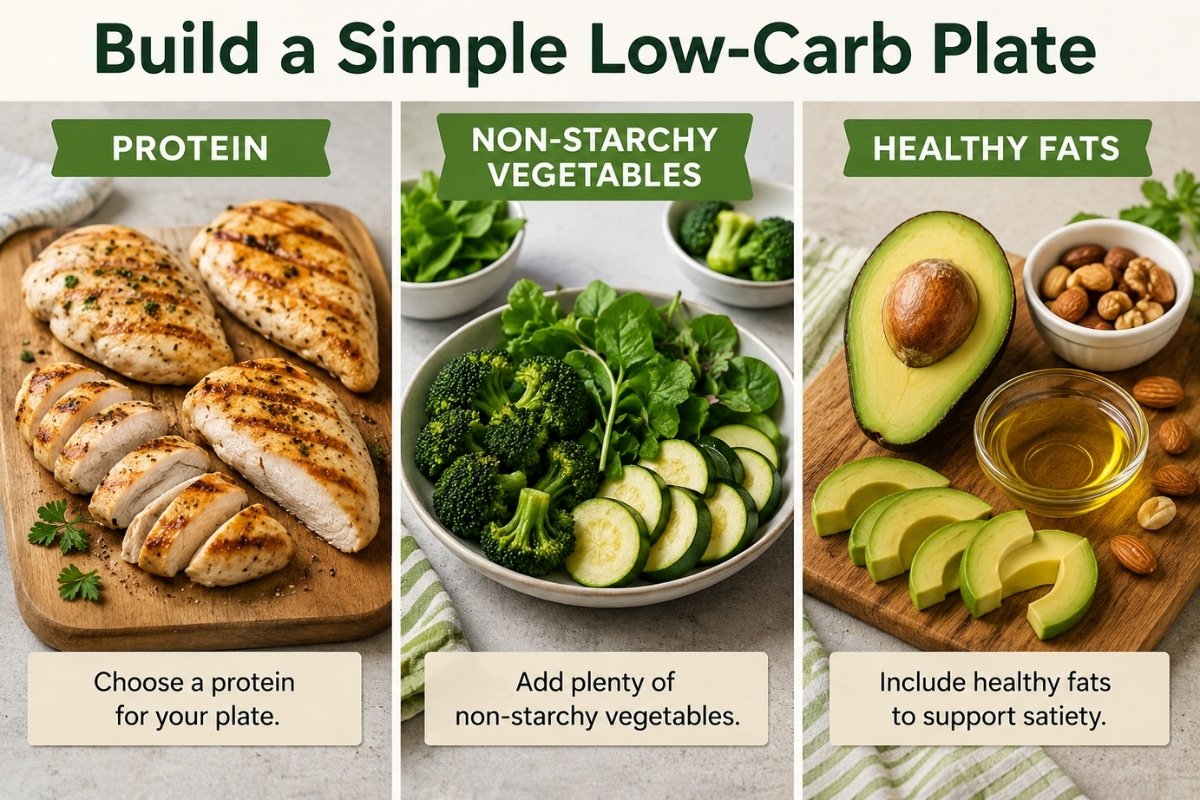
Protein
Start with a source of protein such as:
- eggs
- chicken
- fish
- beef
- Greek yoghurt
Protein helps make meals more filling and can support appetite control throughout the day.
Non-Starchy Vegetables
Add plenty of vegetables to provide fiber, nutrients, and variety.
Examples include:
- leafy greens
- broccoli
- cauliflower
- zucchini
- cucumber
- capsicum
These foods can help create satisfying meals while keeping carbohydrate intake relatively low.
Healthy Fats
Healthy fats add flavor and help meals feel more satisfying.
Good options include:
- avocado
- olive oil
- olives
- nuts
- seeds
For example, a simple meal could be grilled chicken with a large salad dressed with olive oil, or baked salmon served with roasted broccoli and avocado.
The goal is not to create perfect meals. The goal is to make everyday food choices feel simple and repeatable.
Step 4: Keep Your First Week of Meals Repetitive
Many people assume they need dozens of recipes to successfully start low-carb.
In reality, keeping meals simple during the first week often makes the transition much easier.
Fewer Decisions
Learning a new way of eating already requires some adjustment. Repeating a few simple meals reduces the number of food decisions you need to make each day.
Less Stress
When you know what you are eating, there is less temptation to second-guess yourself or search for new recipes every night. Simple meals can help you focus on building habits rather than chasing perfection.
Easier Shopping
A short shopping list is often easier to manage than a trolley full of unfamiliar ingredients.
For example, you might build several meals around:
- eggs
- chicken
- fish
- leafy greens
- broccoli
- cauliflower
- avocado
- olive oil
There is nothing wrong with eating similar meals for a week or two while you adjust. Once low-carb starts to feel more natural, you can gradually add more variety.
Remember, the goal of the first week is not to become a gourmet low-carb cook. The goal is simply to make getting started feel manageable.
The low-carb tuna cucumber boats are simple enough to repeat several days running without getting tired of them.
Step 5: Stay Aware of Hydration and Electrolytes
When people reduce carbohydrate intake, the body often releases stored water, which can affect fluid and electrolyte balance. Research on electrolyte changes during low-carb adaptation suggests that paying attention to sodium, potassium, and magnesium may help some people feel more comfortable during the transition.
This is one reason why some beginners report symptoms such as:
- fatigue
- headaches
- dizziness
- muscle cramps
Not everyone experiences these symptoms, but staying hydrated and paying attention to electrolyte intake can help support a smoother transition.
Simple steps include:
- drinking water regularly throughout the day
- including nutrient-dense whole foods in your meals
- discussing electrolyte needs with your healthcare professional if you have existing medical conditions or take blood pressure medication
If you would like a more detailed explanation, see Electrolytes on Low-Carb: What You Need to Know.
What to Expect During the First Week
One reason many people feel overwhelmed when starting low-carb is that they are unsure what to expect.
The first week is often a period of adjustment as your eating habits begin to change. Some people notice very little difference, while others experience temporary changes that gradually settle over time.
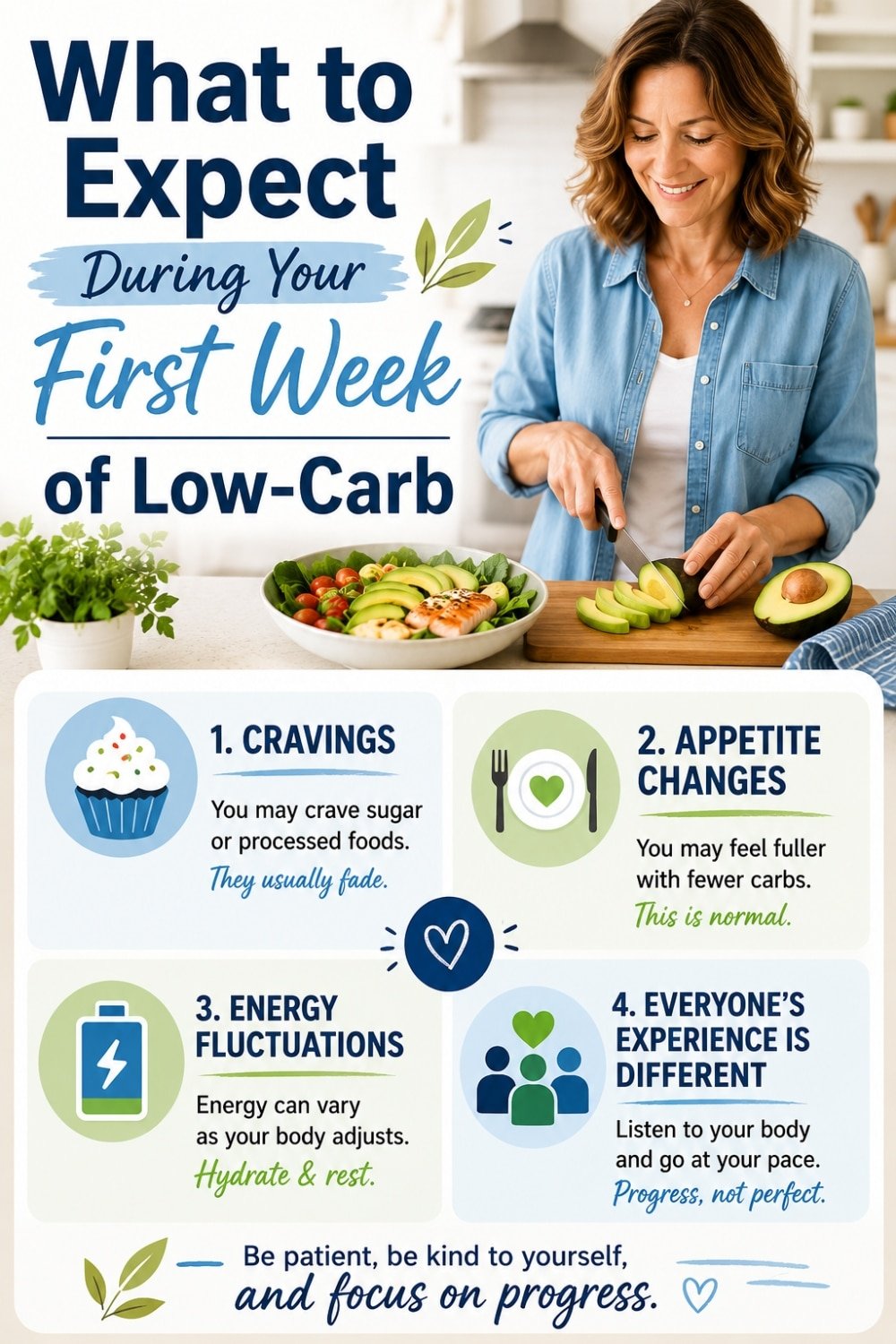
Cravings
If you regularly eat sugary foods, sweet drinks, or highly processed snacks, it is normal to experience cravings during the first few days.
These cravings often become easier to manage as you establish new eating habits and build meals around more filling foods.
Appetite Changes
Some people notice they feel fuller between meals when they increase protein and healthy fats. Others may find their appetite fluctuates during the adjustment period.
Paying attention to hunger and fullness cues can help you find a routine that works for you.
Energy Fluctuations
Energy levels may feel different during the first week. Some people report feeling more energetic, while others experience temporary tiredness as their bodies adapt to dietary changes.
This is one reason why it can be helpful to start gradually rather than making dramatic changes overnight.
Everyone’s Experience Is Different
There is no single low-carb experience that applies to everyone.
Factors such as age, activity levels, medications, overall health, and previous eating habits can all influence how you feel during the first week.
The most important thing is to focus on steady progress rather than expecting immediate results. Small, consistent changes are often easier to maintain over the long term.
Common Mistakes When Starting Low-Carb
Starting low-carb does not have to be complicated. In fact, some of the biggest challenges come from trying to do too much too soon.
Trying to Change Everything at Once
It can be tempting to completely overhaul your diet overnight. However, making too many changes at once often feels overwhelming and is difficult to maintain.
A gradual approach is usually more realistic and sustainable.
Choosing Complicated Recipes
Many beginners spend hours searching for special ingredients and elaborate recipes.
Simple meals are often the better option, especially during the first few weeks. Meals built around protein, vegetables, and healthy fats can be just as satisfying without creating extra stress in the kitchen.
Not Eating Enough Protein
Protein plays an important role in helping meals feel filling and satisfying.
If meals contain too little protein, you may find yourself feeling hungry more often or struggling with cravings between meals.
Including a source of protein with each meal can help support consistency.
Ignoring Hydration
When carbohydrate intake changes, hydration becomes even more important.
Not drinking enough water or overlooking electrolyte intake may contribute to symptoms such as fatigue, headaches, or dizziness in some people.
Paying attention to hydration from the beginning can help make the transition feel more comfortable.
Remember, low-carb does not have to be perfect to be effective. The goal is to build simple habits that fit into your everyday life and can be maintained over time.
When to Speak With Your Healthcare Professional
A low-carb approach can be a helpful dietary change for some people, but it is not always advisable to start without considering your individual health situation.
It is a good idea to speak with your healthcare professional before making significant dietary changes, especially if you have existing medical conditions or take prescription medications.
For a short checklist of what to tell your doctor, what to watch and what to report in the first two weeks, see are there risks when starting low-carb for high blood pressure.
If You Take Blood Pressure Medication
Some people notice changes in their blood pressure after reducing carbohydrate intake and making other lifestyle adjustments.
Because of this, regular monitoring is important. Your healthcare professional can advise whether any medication adjustments may be needed and help you monitor your progress safely.
If You Are Managing Diabetes
Changes in carbohydrate intake can affect blood sugar levels and may influence how diabetes medications work.
If you have diabetes, it is important to discuss dietary changes with your healthcare team and follow their recommendations for monitoring and medication management.
If You Have Other Medical Conditions
Conditions involving the kidneys, heart, liver, or other aspects of health may require additional dietary considerations.
Your healthcare professional can help determine whether a low-carb approach is appropriate for your situation and provide guidance based on your medical history.
A personalized approach is always better than guessing. Seeking professional advice can help you make dietary changes with greater confidence and safety.
Final Thoughts
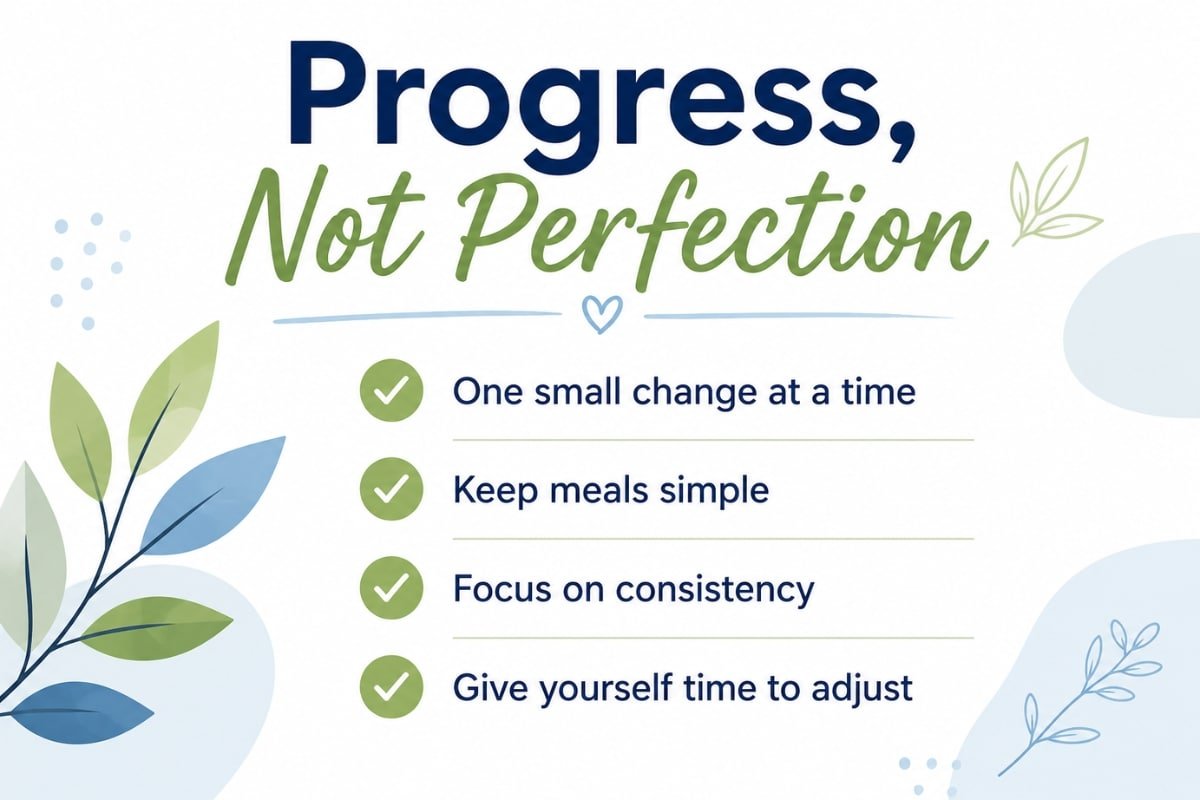
Starting low-carb for high blood pressure does not have to feel overwhelming.
You do not need a perfect meal plan, a cupboard full of specialty products, or a strict set of rules from day one. In many cases, the most successful approach is also the simplest.
Focus on progress rather than perfection.
Start with one small change. Build meals around protein, vegetables, and healthy fats. Keep your first week simple and give yourself time to adjust.
Remember that lasting habits are usually built one step at a time.
A calm, practical approach may not seem dramatic, but it is often much easier to maintain than an extreme one. And when it comes to supporting healthier blood pressure, consistency is what matters most.
If you would like a simple way to keep things practical, try the free 60-second blood pressure check, and the Blood Pressure Support Cheat Sheet comes with it. Together they cover low-carb food choices and everyday habits that can help you build a more sustainable approach to supporting healthier blood pressure.
Sources
- American Heart Association: High Blood Pressure
- Mayo Clinic: High Blood Pressure
- Harvard T.H. Chan School of Public Health: Protein
- National Heart, Lung, and Blood Institute: DASH Eating Plan
- Virta Health: Electrolytes and Low-Carb Diets
Disclaimer: This article is for educational purposes only and should not be considered medical advice. Please consult your healthcare professional before making significant dietary changes, especially if you take blood pressure medication. Read the full disclaimer here.